tejas crash
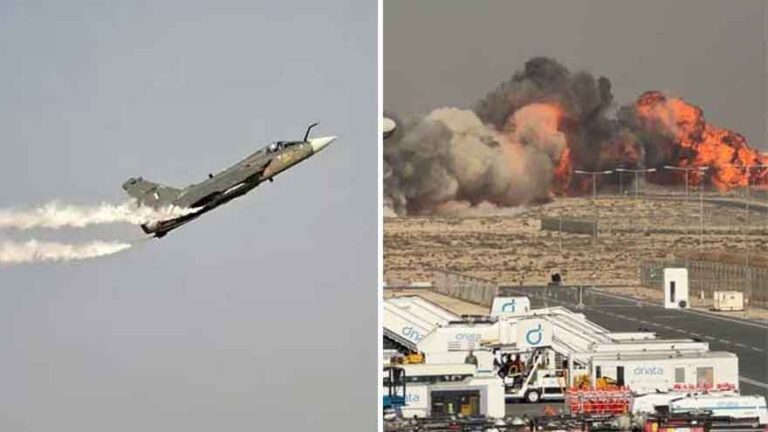
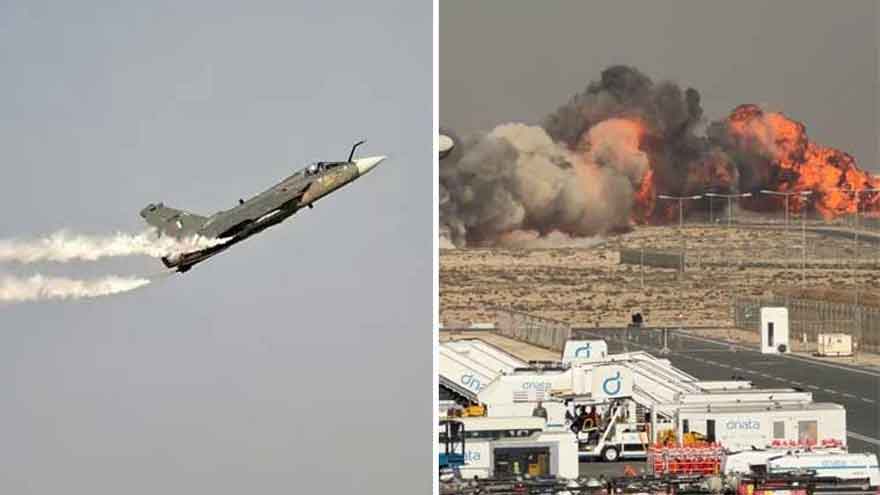
The term tejas crash has recently drawn major attention across media, defence forums, and aviation experts. As India’s indigenous fighter jet program continues growing, every tejas crash incident becomes a topic of analysis, safety assessment, and national discussion. Understanding why a tejas crash happens, how investigations unfold, and what improvements follow is crucial to knowing the strength and future of India’s air defence capabilities.
What is Tejas and Why Understanding a Tejas Crash Matters?
Before understanding the impact of a tejas crash, it’s important to know what Tejas represents. HAL Tejas is India’s home-grown Light Combat Aircraft (LCA), designed for high agility, world-class avionics, advanced weapon systems, and multi-role capabilities. It is one of the biggest milestones in India’s defence technology journey.
When a tejas crash is reported, it becomes more than just a defence news headline—it highlights the challenges, risks, and responsibilities that come with developing a modern fighter jet program. The Indian Air Force and DRDO use every tejas crash case as an opportunity to gather data, strengthen engineering, and enhance pilot safety.
Understanding the Causes Behind a Tejas Crash
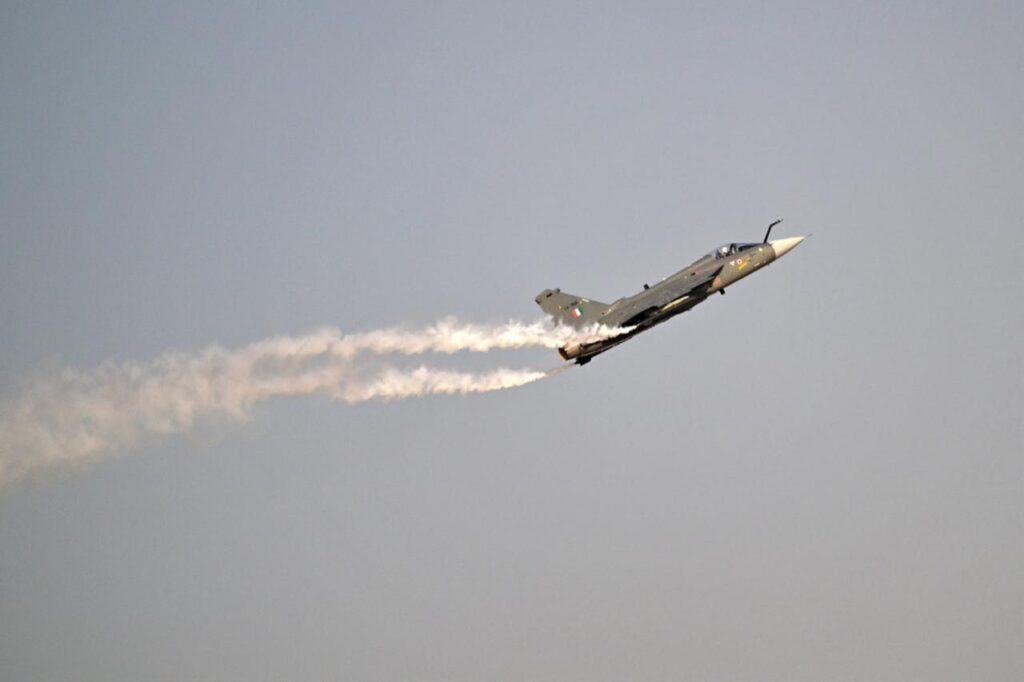
Crash investigations across global aviation history—whether fighter jets or commercial aircraft—usually revolve around a few common causes. A tejas crash is no different. Some possible contributing factors include:
1. Technical Malfunctions
Even with advanced engineering, fighter jets operate under extreme conditions.
A tejas crash investigation may check for issues like:
- Engine malfunction
- Flight control system errors
- Hydraulic failure
- Software glitches
These factors are common in the early years of any new aircraft series.
2. Bird Hit During Flight
One of the most common causes of accidents in aviation.
If a bird strike happens during take-off or landing, the possibility of an incident like a tejas crash increases.
3. Pilot-Related Situations
Pilots undergo elite training, yet high-speed maneuvers always carry risk.
Investigations check:
- Reaction time
- Instrument reading
- Visibility conditions
4. Weather Disturbances
Strong winds, low visibility, and sudden weather changes can affect fighter jet control. In some cases, these can contribute to a tejas crash scenario.
Tejas Crash: How Investigations Work?
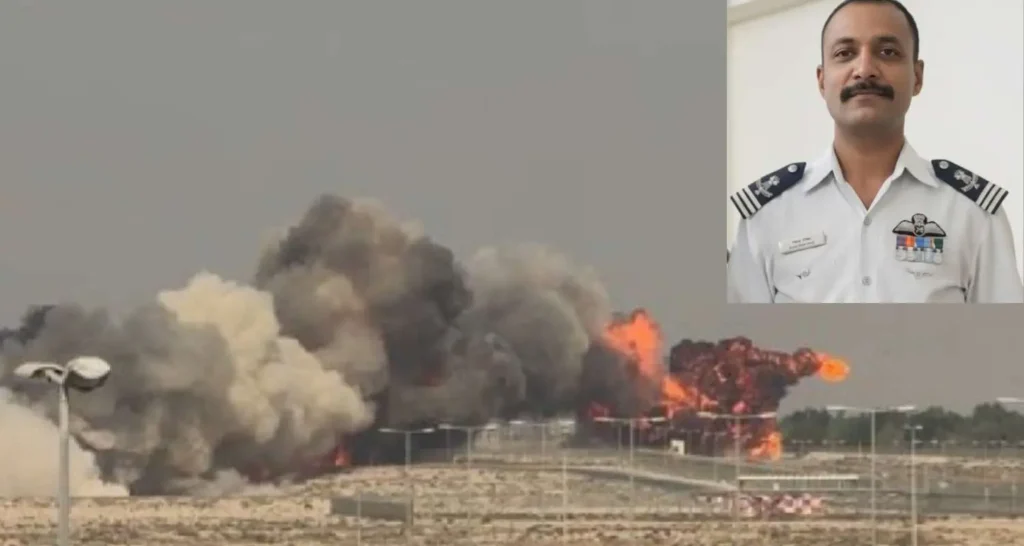
Every tejas crash triggers a thorough, multi-layered investigation by:
- The Indian Air Force
- HAL (Hindustan Aeronautics Limited)
- DRDO
- Aeronautical Development Agency (ADA)
The process includes:
- Collecting black box data
- Studying flight parameters
- Examining wreckage
- Pilot debriefing (if safe)
- Checking maintenance logs
- Simulating the flight in a controlled environment
This ensures that each tejas crash strengthens the safety and technological evolution of the aircraft.
Tejas Crash and Public Concerns: What People Want to Know
Whenever a tejas crash occurs, people often ask:
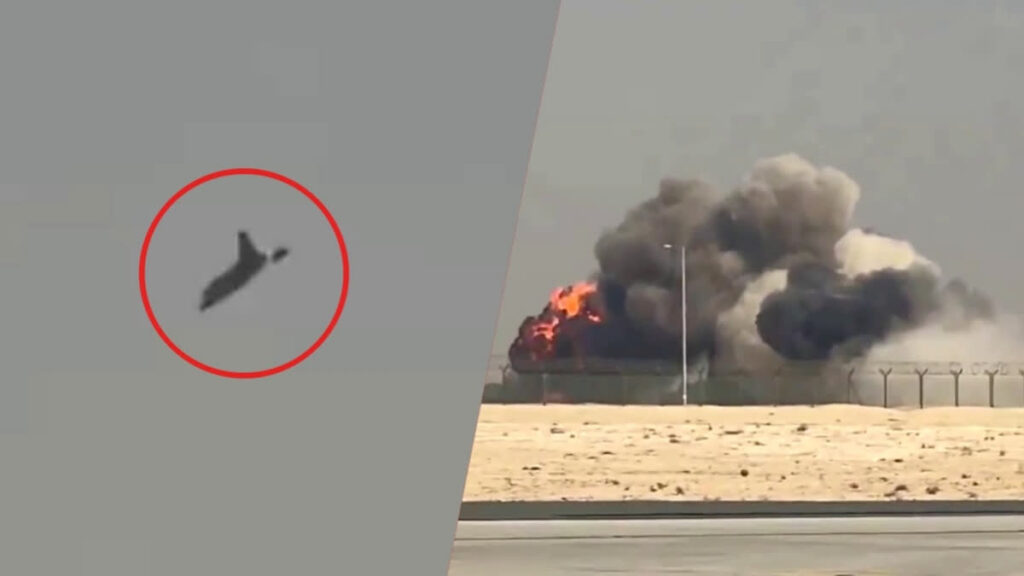
- Was the pilot safe?
- What was the cause?
- Is Tejas a reliable aircraft?
- Does this affect India’s defence strength?
Experts assure that isolated incidents do not define an aircraft’s capability. Even globally successful jets like F-16, Mirage-2000, Rafale, and F-35 have experienced multiple crashes during their operational lifetime.
How a Tejas Crash Helps Improve the Aircraft
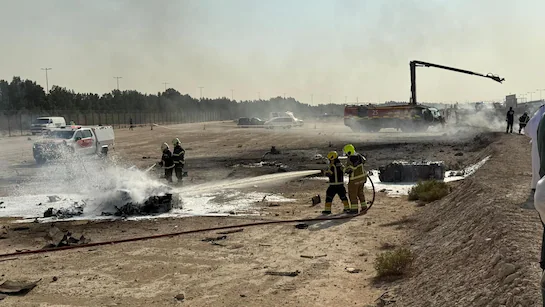
It may sound surprising, but each tejas crash actually contributes to:
- Better design improvement
- Software upgrades
- Stronger materials
- Safer ejection systems
- More efficient maintenance cycles
This is how aviation engineering evolves—by learning from real-world data.
Future of Tejas After a Tejas Crash
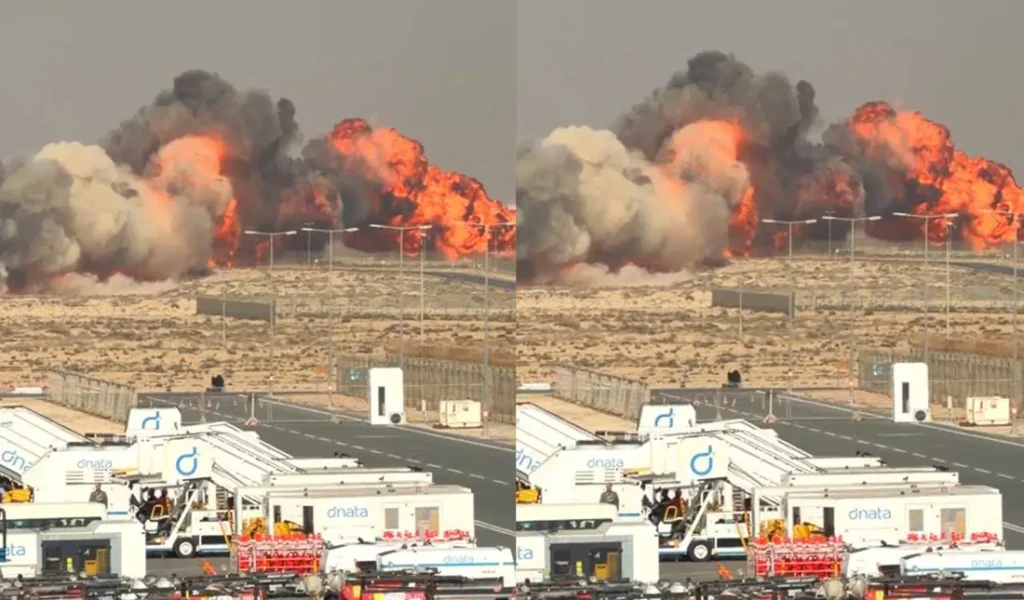
India’s LCA program is one of the most ambitious national defence projects. Despite any tejas crash, the government continues to:
- Expand Tejas squadrons
- Increase production capacity
- Develop Tejas Mk1A and Mk2
- Strengthen export possibilities
A single tejas crash does not slow down the mission. Instead, it enhances the commitment to improving home-grown defence technologies.
Conclusion
A tejas crash often becomes a headline, but its deeper value lies in understanding flight safety, engineering improvements, and the evolution of India’s indigenous aviation program. Every tejas crash is thoroughly analyzed, leading to better systems, stronger aircraft, and a more reliable defence ecosystem. With constant upgrades, Tejas continues to rise as one of the proud symbols of India’s technological and strategic strength. For more defence and aviation insights, visit KnowledgeStar.
About the Author